
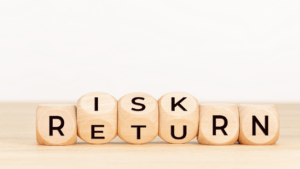
When planning for retirement, most people focus on how much they’ve saved, what their investments might earn, and what expenses they’ll face. But there’s another risk factor that’s just as crucial and often overlooked. It’s called sequence of returns.
What is Sequence of Returns Risk?
Sequence of returns risk refers to the risk of receiving lower or negative investment returns in the early years of retirement when you’re making withdrawals from your savings. Even if your average annual return is the same as someone else’s, the order in which you experience gains and losses can significantly impact how long your money lasts. Unlike investing during your working years, when you can ride out market downturns, retirees depend on their portfolios for income. Withdrawals combined with bad timing in the markets can deplete savings faster than expected.
Why Does It Matter?
To see this risk in action, let’s consider a hypothetical example of two sisters, Rebekah and Sumiko. Both retire with $500,000 in an IRA and plan to withdraw $30,000 per year for income. Sumiko retired in 2010, while Rebekah retired in 2000. Even if both sisters achieved the same average market return over their first 10 years, their outcomes could be dramatically different simply due to the sequence (order) of good and bad years in the market.
- Sumiko retired after a market downturn, entering a bull market and enjoying positive returns early in retirement.*
- Rebekah retired just before a major market downturn (2000–2002 and 2008), experiencing negative returns early on.*
Despite starting with the same amount, Rebekah’s portfolio is at much greater risk of running out early because the losses came when her balance was highest and her withdrawals were most damaging. This example (based on the historical S&P 500 Index*) demonstrates that it is not just how much you earn, but when you earn it, that makes a major difference in your retirement outcomes. (It’s important to note this example is for illustration purposes and does not represent specific investment advice or guaranteed results.)
Why Retirees Are Vulnerable
During your career, you have time to recover from market dips because you’re still contributing to your accounts. In retirement, the combination of withdrawals and poor market returns can create a risk-prone cycle. When you withdraw funds during a market downturn, you lock in losses, and the remaining portfolio has less opportunity to recover when markets improve.
Read more: Navigating Retirement Amid Market Volatility – Gregory Ricks & Associates
Challenging the Sequence of Returns Risk
Fortunately, there are practical steps you can take to reduce this risk:
- Diversify Your Investments: Don’t put all your eggs in one basket. A well-diversified mix of assets can cushion the impact of down markets.
- Build a Cash Reserve: Set aside a portion of your retirement savings in cash or short-term bonds to cover several years of expenses, reducing the need to sell investments at a loss during downturns.
- Consider Guaranteed Income Products: Annuities or certain forms of life insurance can provide a steady stream of income, regardless of market performance.
- Adjust Withdrawals: Flexibility is crucial. You might temporarily reduce withdrawals during tough years and increase them when markets recover.
- Work With a Professional: A financial advisor can help you develop a retirement income strategy designed to weather various market conditions. Meet With Us | Gregory Ricks & Associates | Metairie, LA 70002
Other Retirement Risks to Keep in Mind
Sequence of returns risk is just one factor. Retirees also face other uncertainties like taxation changes, legislative risk, health emergencies, and the rising costs of long-term care. Comprehensive planning should address all these challenges through savings, insurance products, and flexible withdrawal strategies.The timing of market returns matters; it has the power to shape your entire retirement picture, determining whether your money endures or runs out too soon. Being proactive, staying flexible, and seeking professional guidance can help you build a retirement income strategy more capable of weathering whatever the market brings.
*finance.yahoo.com – This is a 10-year illustration based on the historical performance of the S&P 500®, with index values for 2010–2019 and 2000-2009 pulled directly from Yahoo Finance. The S&P 500 Index is a stock index that is composed of the 500 largest U.S. publicly traded companies by market capitalization, or the stock price multiplied by the number of shares it has outstanding. They do not pay dividends. This is a 10-year illustration based on the historical performance of the S&P 500®. Please note, it is not possible to invest directly into the S&P 500® Index; this measure is provided solely as a benchmark of overall market performance. Past performance of the S&P 500® is not an indication of future performance and is not guaranteed.
This article is meant to be general and is not investment or financial advice or a recommendation of any kind. The opinions and other information contained in this article are subject to change based on the market or other conditions. Please consult your financial advisor before making financial decisions. For more detailed information, contact a financial advisor with Gregory Ricks & Associates, Inc. Investment advisory products and services through AE Wealth Management, LLC. (AEWM). Neither the firm nor its agents or representatives may give tax or legal advice. Individuals should consult with aqualified professional for guidance before making any purchasing decisions. 4197958 – 7/26